
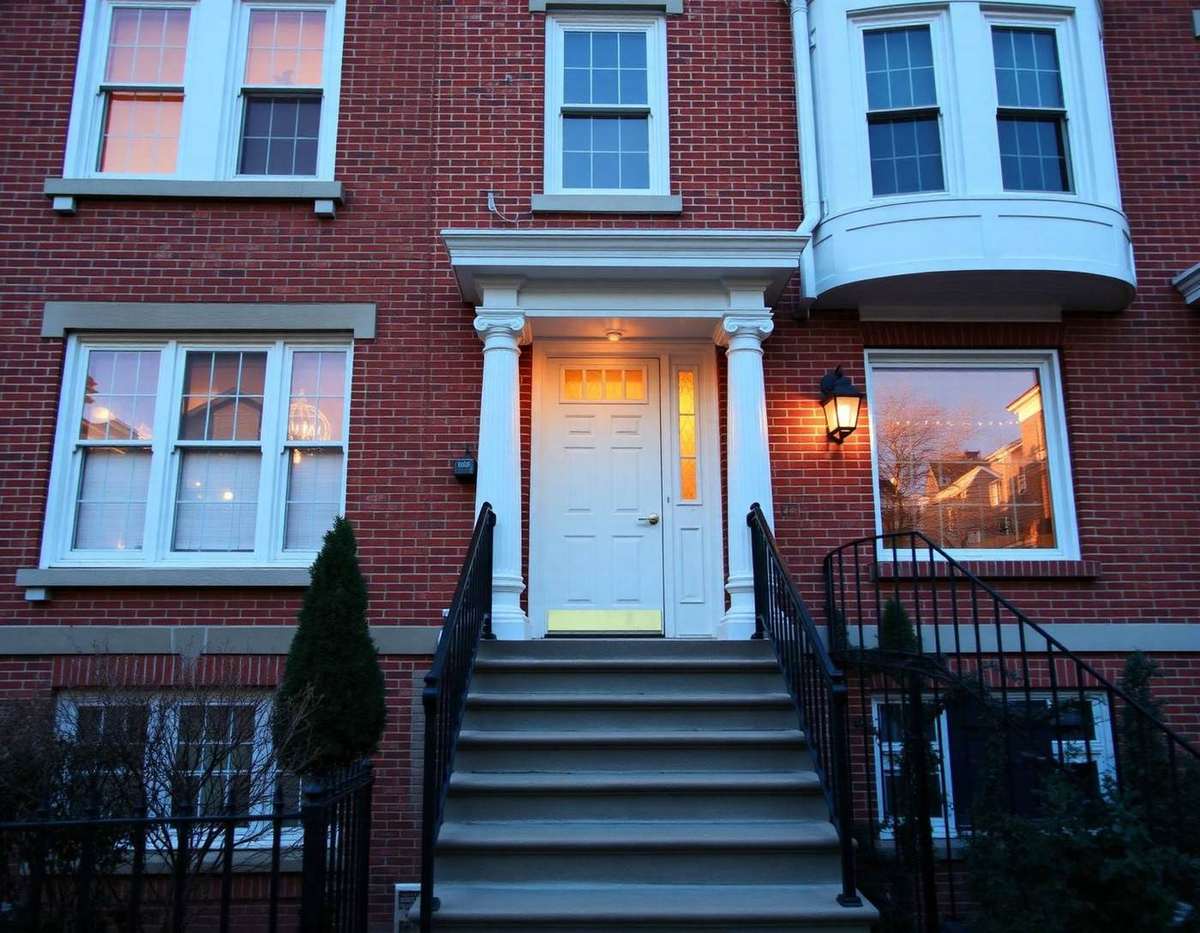
Common Area & Stairwell Restoration.
The corridors and stairwells are what every resident, visitor, and prospective tenant sees before they see a unit — and they take the most abuse in the building. EcoBright restores multifamily common areas while the building stays occupied: drywall and plaster repair, painting, trim and base, ceiling tile replacement, flooring coordination, handrails, and the protection and phasing that keep the building usable from the first day to the last.
For owners, managers, and boards of occupied multifamily buildings who need hallways, stairwells, and lobbies restored without closing the building.
Is common area & stairwell restoration the right call?
- Owners and managers of occupied Philadelphia apartment buildings
- Condominium associations and boards planning a corridor refresh
- Regional managers standardizing common areas across a portfolio
- Facility contacts responsible for stairwells and shared entries
What usually brings people here.
- Scuffed, patched, and mismatched corridor walls
- Plaster cracking or drywall damage from moves and carts
- Stained, sagging, or missing ceiling tiles
- Worn corridor carpet or damaged resilient flooring
- Loose handrails, damaged base, or split door casings
- A leasing or sale push where the common areas undercut the units
What you get at the end.
- A phased written scope with fixed pricing per phase
- Protection of floors, doors, and resident belongings during the work
- Corridors and stairwells passable and clean at the end of every day
- Photo documentation of each completed phase for the building file
Our crews, on real Philadelphia jobs.
No stock photography. Every image below was taken on an active job by our own team.
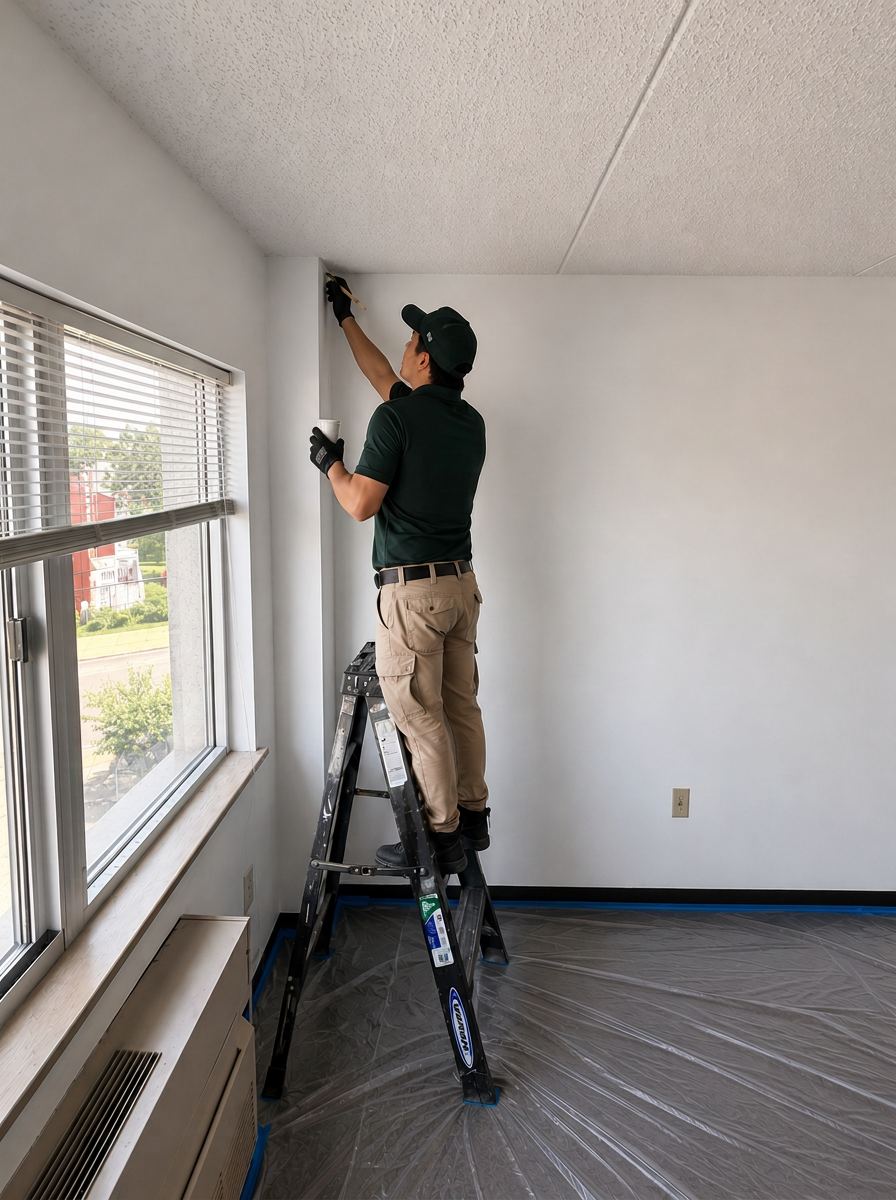
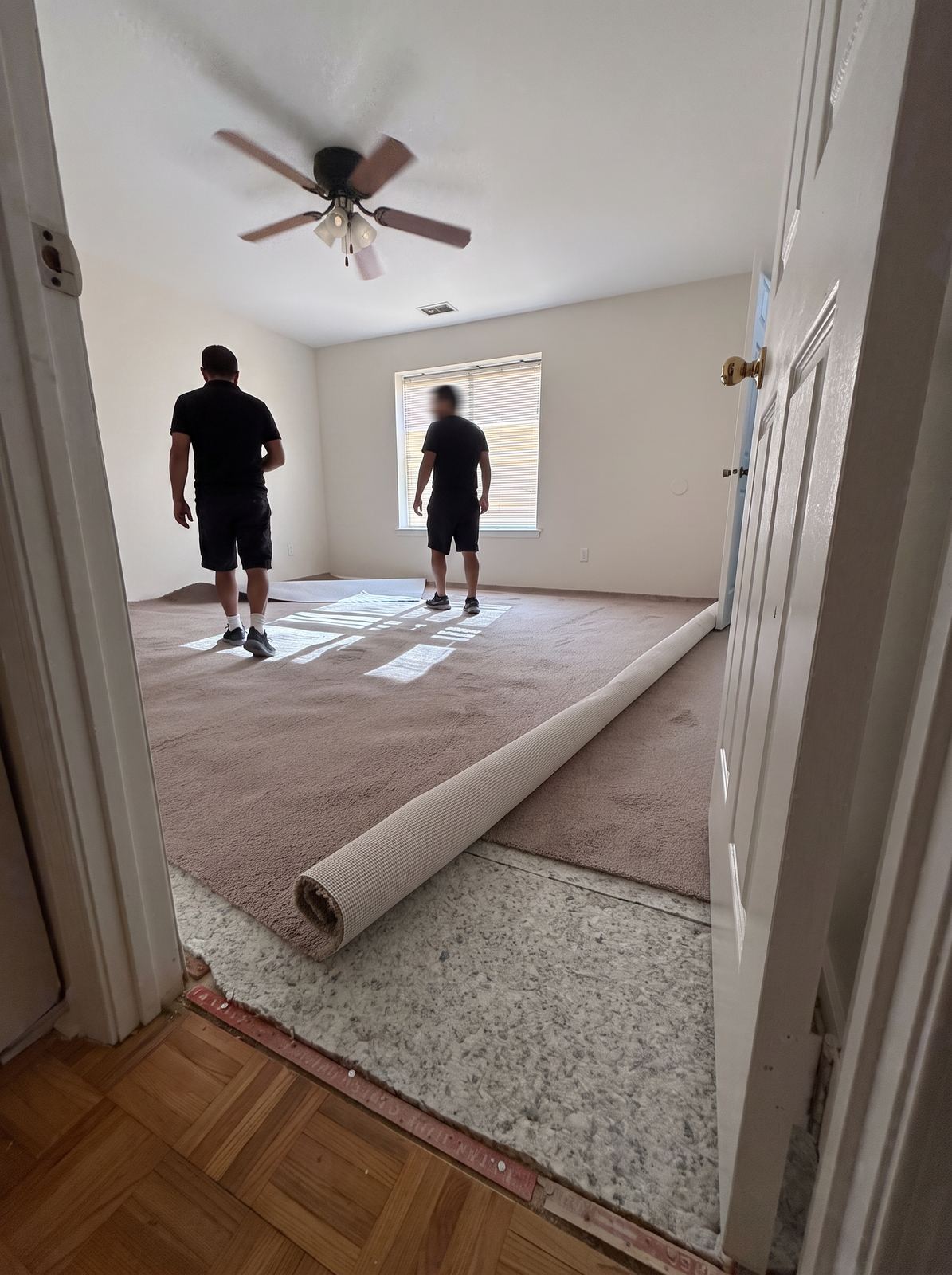
What’s included
in a common area & stairwell restoration job.
Every item below is inside the fixed written price — no line-item surprises after the walk-through.
Walls & ceilings
- Drywall patching, skim coating, and texture matching
- Plaster crack repair and stabilization
- Corner bead and high-traffic damage repair
- Ceiling tile and grid replacement
Paint & finishes
- Corridor, stairwell, and lobby repainting
- Door, frame, and casing painting
- Trim, baseboard, and chair rail repair or replacement
- Stair stringer, riser, and handrail refinishing
Flooring & fixtures
- Corridor flooring removal and replacement coordination
- Transition, threshold, and base coordination
- Light fixture and switch plate replacement
- Signage, hardware, and door closer reinstallation
Occupied-building logistics
- Phasing by floor, wing, or stairwell
- Floor and surface protection through the work zone
- Resident notices coordinated with management
- Daily cleanup and clear egress paths at the end of each day
From call to handoff.
- 01Walk the building with management
We walk every corridor, stairwell, and shared entry in scope and note condition floor by floor, along with access, elevator, and resident constraints.
- 02Phased written scope
A line-item scope broken into phases, each with fixed pricing, so the building can approve the whole restoration or one floor at a time.
- 03Protect, phase, and execute
Protection goes down first. We work one phase at a time so residents always have a clean, passable route in and out of the building.
- 04Walk each phase closed
Management walks each completed phase with us, punch items are addressed, and photo documentation is handed over for the building file.
Each phase of the restoration is tracked on its own BrightWork OS record, so management can follow approvals, schedule, and closeout photos floor by floor.
No separate BrightWork OS software subscription or platform fee for eligible active EcoBright maintenance clients. Approved labor, materials, visits, subcontractor and specialty-trade work, permits, and other project charges are billed under the written estimate or service terms.
Common Area & Stairwell Restoration FAQ.
- Can residents use the hallway while you work?
- Yes. Work is phased so residents always have a protected, passable route to their unit and to egress stairs. Anything that would temporarily restrict a path is scheduled with management and communicated to residents in advance.
- How do you handle dust and odor in an occupied building?
- Surfaces are protected before work starts, sanding is contained, and the work zone is cleaned at the end of each day. Product selection and scheduling are discussed with management up front for buildings sensitive to paint odor.
- Can you match the existing paint, trim, and finishes?
- Where an existing product and color are documented we match them. Where they are not, we bring samples and confirm the selection in writing with management before any material is ordered.
- Can we do one floor at a time?
- Yes. Phasing by floor, wing, or stairwell is the normal approach, and each phase is priced separately so the building can approve and budget incrementally.
- Do you handle stairwell handrails and treads?
- Handrail repair and refinishing, stringer and riser repair, and base and trim work are in scope. Structural stair replacement is quoted separately after the walk if the condition calls for it.
- Who coordinates resident notices?
- Management sends the notices; we supply the schedule, phase map, and daily work windows so the notices are accurate and go out with enough lead time.
Ready to walk the property?
Free on-site assessment. Fixed written estimate after the walk — typically within one to two business days depending on scope and site access. No pressure, no open billing.
- Prompt reply during business hours
- PA-registered home improvement contractor; Philadelphia-licensed contractor; general liability and workers’ compensation coverage on file
- One number, one completion date — in writing